
Moving to Oman: The Complete 2026 Guide for European Muslim Families
Thinking of moving to Oman? Full 2026 guide for Muslim families: cost of living, is Oman safe, Golden Visa, buying property, income tax, schools, and Oman vs Dubai.
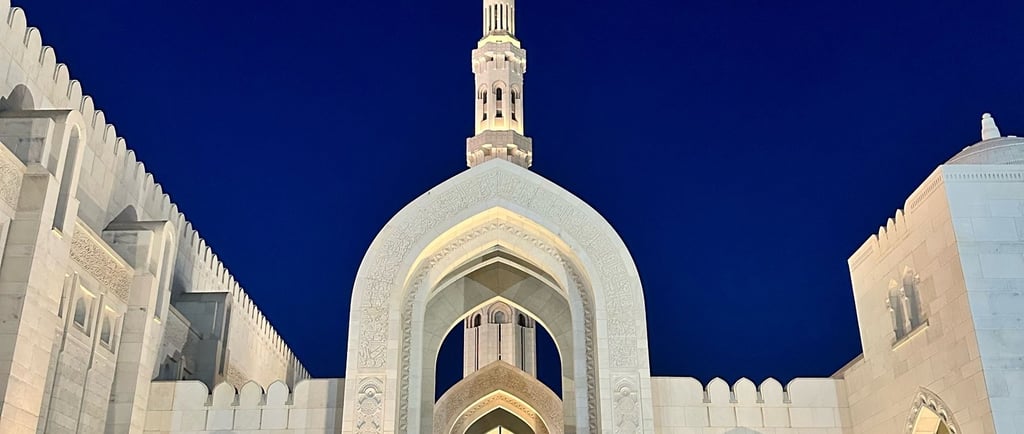
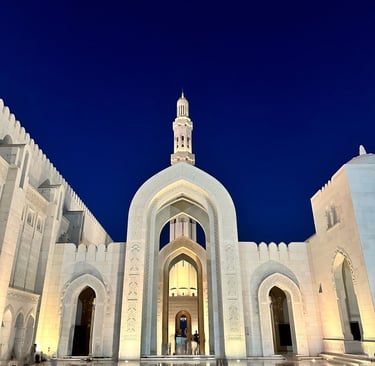
More European Muslim families are seriously considering moving to Oman — and once you look at the detail, it is easy to see why. Oman is a calm, tolerant Muslim country with one of the highest safety rankings in the world, no personal income tax, a lower cost of living than Dubai, and a new self-sponsored residency that includes your whole family. Whether your goal is a faith-aligned family life, a tax-efficient base, a business, or all three, this comprehensive guide covers everything you need to know about living in Oman in 2026.
Is Oman a good country for Muslims to live in?
Yes — and this is the starting point for most families. Oman is a Muslim-majority country with a long, deep-rooted tradition of moderation. The predominant school of Islam here is Ibadi Islam, known for its emphasis on peace, tolerance, and coexistence. Oman is recognised internationally for its religious tolerance and its calm, non-confrontational character.
For a family relocating from Europe, daily life simply runs in harmony with your faith:
Mosques in every neighbourhood, with the adhan marking the day.
Halal by default — you never have to search for halal food; it is simply the norm everywhere.
The Islamic calendar is the national calendar — Ramadan, Eid, and Friday prayers are observed by schools, workplaces, and society as a whole.
A modest, family-first culture that matches Islamic values without you having to make a single compromise.
In Europe, faith often means swimming against the current. In Oman, your faith and your everyday life move together.
Is Oman safe?
Safety is consistently the number-one reason families relocate, and Oman delivers. The Sultanate ranks among the safest and most peaceful countries in the world, with very low crime rates and a stable, neutral foreign policy. Families routinely describe a kind of everyday security — children playing outside, walking to the shops at night, a slow and gentle pace of life — that has become rare in many large European cities.
Oman is also politically stable. Known as the "Switzerland of the Gulf," it has a long record of internal stability and measured, non-aligned diplomacy. For families making a long-term decision, that stability is reassuring in a way that headlines rarely are.
Cost of living in Oman (2026)
A major surprise for most newcomers is how much further their money goes. Oman is roughly 25–35% cheaper than Dubai or Doha, and the Omani Rial is pegged to the US Dollar, which keeps prices stable. Here is a realistic 2026 monthly picture for living in Oman, focused on Muscat (other cities are 20–30% cheaper).
Indicative monthly budget (Muscat):
ExpenseSingleFamily of fourRent (1-BR vs 3-BR)OMR 200–500OMR 400–900GroceriesOMR 80–135OMR 150–300Utilities (electricity, water, internet)OMR 30–50OMR 40–70Transport (own car, fuel)OMR 30–60OMR 60–120Comfortable total (excl. school)OMR 1,000–1,200OMR 1,800–2,600
Housing notes that matter:
Popular expat areas include Al Mouj (The Wave), Al Qurum, Shatti Al Qurum, Madinat Sultan Qaboos, and Al Khuwair. Compound-style developments often include pools, gyms, and social clubs.
Rent is frequently paid quarterly, half-yearly, or annually in advance — budget for a large upfront payment when you arrive.
Apartments are usually unfurnished, but there is a thriving second-hand market for furniture and cars.
Other key costs:
International school fees: roughly OMR 150–750 per month per child (around OMR 3,000–7,000 per year), depending on the school and curriculum.
Private health insurance: roughly OMR 40–100 per month per person.
Dining out: local meals OMR 2–5; mid-range restaurants OMR 5–15 per person.
A family income of around OMR 2,500–3,000 per month generally supports a comfortable life in Muscat, less outside the capital.
Oman vs Dubai: which is better for a Muslim family?
This is one of the most common questions families ask. Both are excellent, but they suit different priorities.
FactorOmanDubai / UAECost of living25–35% lowerHigher, especially rentPace of lifeCalm, traditional, family-orientedFast, cosmopolitan, busyCultureAuthentic, conservative, deeply localInternational, fast-changingNatureMountains, wadis, beaches, unspoiltMore urban and built-upIncome taxNoneNoneBusiness100% ownership, lower costs100% ownership, larger marketResidencyGolden Visa, accessible thresholdsGolden Visa, higher profile
In short: many families choose Oman when they want a quieter, more authentic, lower-cost environment to raise children, and still keep easy access to Dubai (a short flight or drive away) for business and travel.
Income tax in Oman: what you keep
The financial case is simple and powerful:
No personal income tax — salaries, business income, and most investment returns are not taxed at the individual level.
No capital gains tax on most property sales.
Rental income is largely untaxed (modest municipal levies aside).
5% VAT — among the lowest standard rates globally.
Free repatriation of profits and capital.
For families coming from high-tax European countries, this is often the single biggest change to disposable income and long-term wealth. (Oman has announced a limited personal income tax on very high earners from 2028, which is expected to leave most residents unaffected — worth planning for with proper advice.)
Oman Golden Visa and investor residency
In August 2025, Oman launched its Golden Residency programme through the Invest Oman platform, giving foreign nationals a clear, self-sponsored route to long-term residency. This is the key that unlocks family relocation.
Core features:
Renewable 5-year and 10-year residency permits.
Self-sponsored — no employer or local sponsor needed; you hold your own residency.
Full family inclusion — spouse, children, and dependent parents under the same permit, with no restriction on number.
GCC mobility — easier travel across the Gulf.
The right to live, work, invest, and run a business in Oman.
Qualifying routes (you can use one or combine several):
Real estate in an approved development
Company investment (shares in an LLC or public joint-stock company)
Government development bonds
Listed shares on the Muscat Stock Exchange
A fixed bank deposit held for a set term
Reported entry thresholds have recently been as low as around OMR 200,000, but the figures, tiers, and eligible zones are reviewed periodically. We confirm the current rules for your exact situation before you commit any funds.
Buying property in Oman as a foreigner
For most families, property is the most popular residency route — and a home of their own. Key points for buying property in Oman:
Foreigners can buy freehold property within designated Integrated Tourism Complexes (ITCs) — master-planned communities such as Al Mouj Muscat, Muscat Hills, Jebel Sifah, and Hawana Salalah — with full ownership rights.
These communities are built for international living: marinas, schools nearby, retail, security, and resort-style amenities.
A recent update reduced the property registration fee for foreign buyers to around 3%, lowering transaction costs.
Golden Visa holders may, in some cases, own a property outside ITC zones, subject to Ministry approval.
Always verify the current ownership zones and thresholds before purchasing — we handle this due diligence as part of the process.
Healthcare in Oman
Oman has a well-developed healthcare system with both public and private options. Private hospitals and clinics in Muscat offer modern, high-quality care, and most expat families take private health insurance (roughly OMR 40–100 per person per month) for faster access and broader coverage. Residency under the investor programme gives your family access to the country's healthcare services.
Education and international schools in Oman
Muscat in particular offers a strong choice of international schools, including British, American, Indian, and other curricula. Tuition typically ranges from around OMR 3,000 to OMR 7,000 per year per child depending on the school. Residency includes your children, so enrolment is straightforward once you are settled. For families prioritising both academic quality and an Islamic environment, Oman offers a rare combination of the two.
Where to live in Muscat
Muscat is a low-rise, spread-out city between the Al Hajar Mountains and the Gulf of Oman. The most popular areas for families include:
Al Mouj (The Wave): a waterfront ITC with a marina, golf, beaches, and full foreign ownership — the top choice for many relocating families.
Al Qurum / Shatti Al Qurum: central, green, close to beaches, schools, and malls.
Madinat Sultan Qaboos (MSQ): established, leafy, popular with diplomats and long-term expats.
Al Khuwair / Ghubrah: more affordable, well-connected, plenty of amenities.
Starting a business in Oman
Many families combine relocation with a business setup in Oman, which can also support residency. Oman offers:
100% foreign ownership in most sectors — no local partner required.
Low taxes — 5% VAT, 0% corporate tax for qualifying small companies (15% standard).
Strategic location — Arabian Sea ports with direct access to Asia, Africa, the GCC, and Europe.
Free zones (Sohar, Salalah, Duqm, Al Mazunah) with customs and tax incentives.
Vision 2040 opportunities in logistics, tourism, technology, trade, and manufacturing.
You can structure your company and residency together — for example, forming a business that supports both your income and your residency qualification.
Your step-by-step move to Oman
Define your goal — faith-aligned family life, a tax base, a business, or a combination — and choose the right residency route.
Set up a company (mainland LLC/SPC or free zone) if a business is part of the plan.
Make your qualifying investment — property, company shares, bonds, or a bank deposit.
Apply for investor (Golden) residency for you and your family.
Settle in — schooling, healthcare, banking, housing, and driving licence.
The process is smooth when the residency route and the investment are matched correctly from the start — which is exactly where most costly mistakes happen.
Why work with AOWJ Business Consultancy
Relocating a family and capital across continents is not the place for guesswork. AOWJ Business Consultancy is based in Muscat and supports European families end to end:
Investor and family residency guidance
Company formation (mainland and free zone)
Property and investment route due diligence
PRO services, visas, and document attestation
VAT, tax, accounting, and ongoing compliance
We handle the Omani side so you can plan your family's next chapter with confidence.
Thinking about moving to Oman? Contact AOWJ Business Consultancy for a free, confidential consultation tailored to your family and business goals.
Frequently asked questions
Is Oman a good place for Muslim families to live? Yes. Oman is a tolerant, Muslim-majority country where halal food, mosques, Ramadan, and Eid are part of everyday life, within a safe, family-oriented culture — ideal for raising children in an Islamic environment.
Is Oman safe? Oman consistently ranks among the safest and most peaceful countries in the world, with low crime and strong political stability.
What is the cost of living in Oman? Oman is around 25–35% cheaper than Dubai. A comfortable monthly budget in Muscat is roughly OMR 1,000–1,200 for a single person and OMR 1,800–2,600 for a family, before school fees. Other cities are cheaper.
Does Oman have income tax? No personal income tax currently applies. A limited tax on very high earners is scheduled from 2028 and is expected to leave most residents unaffected.
How can a European family get residency in Oman? Through Oman's Golden Residency programme, European nationals can obtain renewable 5- or 10-year, self-sponsored residency including their immediate family, via investment in property, business, bonds, shares, or a bank deposit.
How much do I need to invest for the Oman Golden Visa? Reported thresholds have recently been from around OMR 200,000, but the figures and eligible zones are reviewed periodically — always confirm current rules before committing funds.
Can foreigners buy property in Oman? Yes. Foreigners can buy freehold property in designated Integrated Tourism Complexes (ITCs) such as Al Mouj Muscat, Jebel Sifah, and Hawana Salalah, with full ownership rights.
Oman or Dubai — which is better? Oman generally suits families wanting a quieter, more authentic, lower-cost environment, while keeping Dubai a short trip away. Both offer no income tax and 100% business ownership.
Can I run a business in Oman as a foreigner? Yes. Foreigners can own 100% of a company in most sectors with no local partner, and a business can also support a residency application.
Are there good international schools in Oman? Yes, especially in Muscat, offering British, American, and other curricula, with fees typically between OMR 3,000 and OMR 7,000 per year per child.
AOWJ Business Consultants
Sultanate Compliance & Capital Optimization
Sitemap
Home
About
Services
Blog
Contact
Muscat Office
Phone: 76270957
info@aowjbusinessconsultant.com
Muscat, Sultanate of Oman
(C) 2020 AOWJ Business Consultants-Sultanate compliance and capital optimization.